
Plantar Wart Removal Toronto
(Clinics in Scarborough & Forest Hill)
At Step Right Foot Clinic, we understand the frustration and discomfort that warts can cause. Plantar warts are caused by the human papilloma virus (HPV), typically found in warm, moist environments such as public pools, gyms, and hotels.
Despite their prevalence, foot warts can be challenging to treat and often require professional intervention for effective removal.
Understanding Plantar Warts
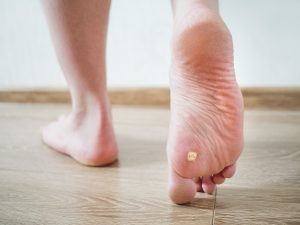
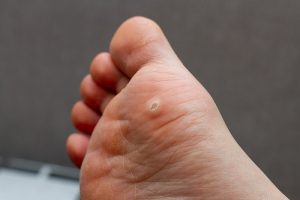
Warts usually present as small, rough, and raised bumps on the skin, with a texture similar to that of a cauliflower. On the foot, you might see hard skin over the top of the wart and they may or may not be painful to walk on. While they’re not related to pressure and can occur anywhere on the foot, they’re often found on the heels and other weight-bearing areas. Having multiple lesions in a similar location is known as mosaic warts.
Children and teenagers, those with a weakened immune system, those who walk barefoot in communal areas, having cuts or injuries on the feet, and having direct contact with someone who has plantar warts are all risk factors for developing warts.
Due to the thickness of the skin on our feet, over-the-counter treatments such as wart pads and cryotherapy, are sometimes not powerful enough to get rid of the wart entirely.
Why Seek Professional Treatment?
While most plantar warts are not a serious concern and can sometimes resolve on their own, they may persist for months or even years without proper care. Plantar warts can sometimes be misdiagnosed by those without specialized knowledge of foot health.
Seeking professional evaluation and treatment from a qualified podiatrist or chiropodist, particularly if they’re causing pain and discomfort, may help in effectively managing warts and preventing recurrence.
Our Range of Wart Removal Options
At Step Right Foot Clinic, we offer medical pedicure and a variety of wart removal treatment options in Toronto to cater to your individual needs and preferences. Some of our treatment options include:
- Prescribed topical compounded medications
- Topical in-office treatments (such as salicylic acid and liquid nitrogen)
- Falknor’s Needling: a non-invasive method that involves pushing the virus deeper into the body, stimulating the body’s immune response to eliminate the wart.
- Microwave Therapy: an innovative and minimally invasive treatment that delivers precise microwave energy to the wart tissue, effectively destroying the virus. The treatment causes short-lived discomfort during the procedure.
- Surgical Removal: as a last resort, surgical removal of the wart may be recommended, although this option carries a risk of scarring for the surrounding skin.
Wart Removal Surgery in Toronto
For painful or persistent warts that are not responding to conservative treatments, surgical removal may help eliminate the lesion and reduce discomfort when other options have been unsuccessful.
Surgical removal may be considered when:
- The wart has not responded to conservative treatments
- Pain is interfering with walking or daily activities
- The wart is increasing in size or spreading
- The lesion is located in a high-pressure area
We always begin with conservative options when appropriate, and only recommend surgical excision when it is likely to provide meaningful benefit.
What Is Plantar Wart Excision and How Does It Work?
Plantar wart excision is a minor in-clinic procedure that involves carefully removing the wart tissue while preserving as much healthy surrounding skin as possible. It is performed under local anesthesia, meaning the area is fully numbed for comfort. The wart is then precisely removed and patients are able to leave the clinic shortly after treatment with clear aftercare instructions.
Large, painful plantar wart in a high-pressure area Clean surgical site showing early healing and reduced irritation
Before treatment:

After treatment:

Photos shared with patient permission
Benefits & Considerations
For patients with painful or stubborn warts, excision may be a simple and effective treatment option. Reviewing the benefits and considerations below can help determine whether this procedure is right for you.
| Benefits | Considerations |
| ✔ Wart removal without the need for ongoing topical medications | Mild pain or discomfort for a few days |
| ✔ Ideal for stubborn or deep plantar warts, preventing spread to other areas | Temporary activity restrictions, especially avoiding strenuous exercise or sports |
| ✔ Can return to regular activities within a few weeks | Low risk of scarring or wart recurrence |
What Recovery Looks Like
Recovery after plantar wart excision is typically straightforward, with most patients noticing gradual improvement over the next 4-6 weeks. In the initial 1–2 weeks, the area may feel tender, especially with pressure, and it is important to keep the site clean, protected, and properly dressed as instructed. Walking is usually possible with minor adjustments to reduce pressure on the area. As healing progresses, the skin begins to regenerate, discomfort decreases, and patients can transition back into regular footwear and daily activities as tolerated.
Proper aftercare plays an important role in recovery. This includes keeping the area clean, avoiding excessive friction, wearing supportive footwear, and monitoring for any signs of delayed healing. Following all instructions and attending recommended follow-ups helps ensure optimal healing and reduces the risk of recurrence.
Personalized Treatment Plans
Wart treatments vary in discomfort, cost, and duration of treatment and also depend on your individual circumstances. Factors such as immune function, overall health, wart size, and duration must be taken into account to ensure the best possible outcome. Our practitioners will work with you to develop a personalized treatment plan tailored to your specific needs and circumstances.
Preventing Plantar Warts
Plantar warts can spread when your feet come into contact with contaminated surfaces—especially in warm, damp areas. While they’re not as easily spread as fungal infections, it’s still important to protect your feet with some simple precautions:
- Use flip flops, slides, or waterproof shoes in shared wet areas like public showers, pool decks, and change rooms.
- Keep your feet clean and dry, as the virus thrives in moist environments.
- Rotate your footwear and change your socks daily to help limit moisture build-up.
- Refrain from scratching or picking at warts, as this may cause them to spread.
To lower the risk of infection, avoid sharing personal foot care items such as shoes and socks, nail clippers, nail files or pumice stones, and any tools that come into contact with skin. Also, avoid reusing foot care tools between affected and unaffected areas of your body. For example, don’t use the same pumice stone on healthy skin that you’ve used on a wart. Simple habits like these can go a long way in reducing your chances of developing plantar warts.
Your Plantar Wart Removal Questions Answered
Contact Step Right Foot Clinic Today
Ignoring severe plantar warts may result in some health issues, such as prolonged pain and discomfort (often resulting in more serious treatment down the track), changes in posture or gait, and even passing this viral infection onto friends and family.
Don’t let warts affect your quality of life any longer. Schedule a comprehensive assessment with Step Right at either our Scarborough or Forest Hill locations to explore your options.
Book An Appointment
Please click the button below to book an appointment with one of our chiropodists.
If this is an emergency, please proceed to the nearest urgent care centre.